



William B. Treitler
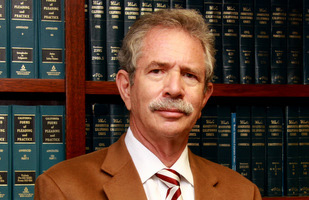 William B. Treitler is the senior partner and co-founder of the firm. He attended Florida State University, earning a Bachelor of Science in accounting, and the University of Illinois, College of Law, earning a Juris Doctorate in 1969. Mr. Treitler is licensed to practice law in the states of California and Nevada.
Mr. Treitler's practice includes a full range of matters affecting small to medium-sized businesses, including formation of business entities, tax planning, purchase and sale of businesses, maintenance of corporate formalities, and contractual matters and disputes. Mr. Treitler serves as general counsel for a number of small to medium-sized businesses.
Mr. Treitler is a member of the Estate Planning Council of San Diego and has been involved in Estate Planning and Probate work since 1971.
Education
- Florida State University, B.S., Accounting, 1964
- University of Illinois College of Law, Juris Doctorate, 1969
Bar Admissions
- State Bar of California
- State Bar of Nevada
- United States District Court for Southern District of California
- United States District Court for Central District of California
- United States District Court for Eastern District of California
- United States District Court for District of Nevada
- United States Court of Appeals for the Ninth District
- United States Tax Court
- Supreme Court of the United States
Legal Employment History
- 1971 to 1973, Associate, Hewitt & Shaw, San Diego, CA
- 1974 to 1978, Partner, McDade & Treitler, San Diego, CA
- 1979 to 1998, Partner, Treitler & Montisano, San Diego, CA
- 1999 to Present, Partner, Treitler & Hager, LLP, San Diego, CA
Professional Memberships
- 1971 to Present, Member of San Diego County Bar Association
- 1975 to Present Estate Planning Council of San Diego
Publications/Speaking Engagements
- "Taxable Expenditures," The Journal of Taxation, June, 1971
- “Taxable Expenditures,�Southwestern Legal Foundation, Dallas, Texas, 1972
- “Taxable Expenditures,�Arkansas Federal Tax Institute, 1972